Under the House
And the Sentimental Dander of Life

My childhood home is in the process of being sold, and I’ve been reflecting on memories.
As kids, my brothers and I spent hours under the house. Armed with gardening tools and spoons, we excavated small patches of dry dirt in search of old pennies. Dad told us the builders often dropped them from their pockets while the house was being built, and every so often we’d discover one with enormous excitement.
I remember taking a handful to school for show and tell in Grade 5. As I was speaking, my teacher, looking at me with hand on chin, voiced that she was highly dubious that we could possibly be finding so many pennies beneath the house. That night, when I asked Dad about it, he laughed and admitted he’d been planting them there himself to keep us occupied while he did Dad things. He joked that with all the free digging labour, maybe one day we’d excavate a whole new room under the house.
I remember a strong, strange, sad feeling for the dirt itself.
I was sad that it would never be warmed by sunshine again. Never get to grow things. Never be turned to mud by rain or tickled by slaters’ feet. It was buried alive, committed to a life beneath the shadow of the house.
Looking back now, I think many of the ideas I work with began there.
Not just collecting, but assigning emotional weight to material.
The belief that matter has feelings.
That matter remembers.
Over time, I’ve collected library of sentimental dander.
Not valuables exactly.
Fragments and particles.
Included in my collection is:
Glitter swept from the cracks of the old Faerie shop before we moved into the space as State of Flux Workshop in 2020.
Ash from the 2013 Dunalley fires
Ash from the 2025 Tarkine fires (see When the Ancient Ones Burn SS post)A branch from the old walnut tree in our backyard that died in 2015. It was devastating at the time. One night, after a few wines, my family stood around it holding hands and singing “Walnut Tree” to the tune of Let It Be, attempting, unsuccessfully, to resurrect it.
A few bees that swarmed and died in the church.
A trace of incense ash from the Ash Buddha.
A tiny fragment of gold leaf from the wall of edition 1 of the Velvet Gallery at Museum of Old and New Art.
Pink Triassic-age sandstone excavated to make way for the new library tunnel at MONA.
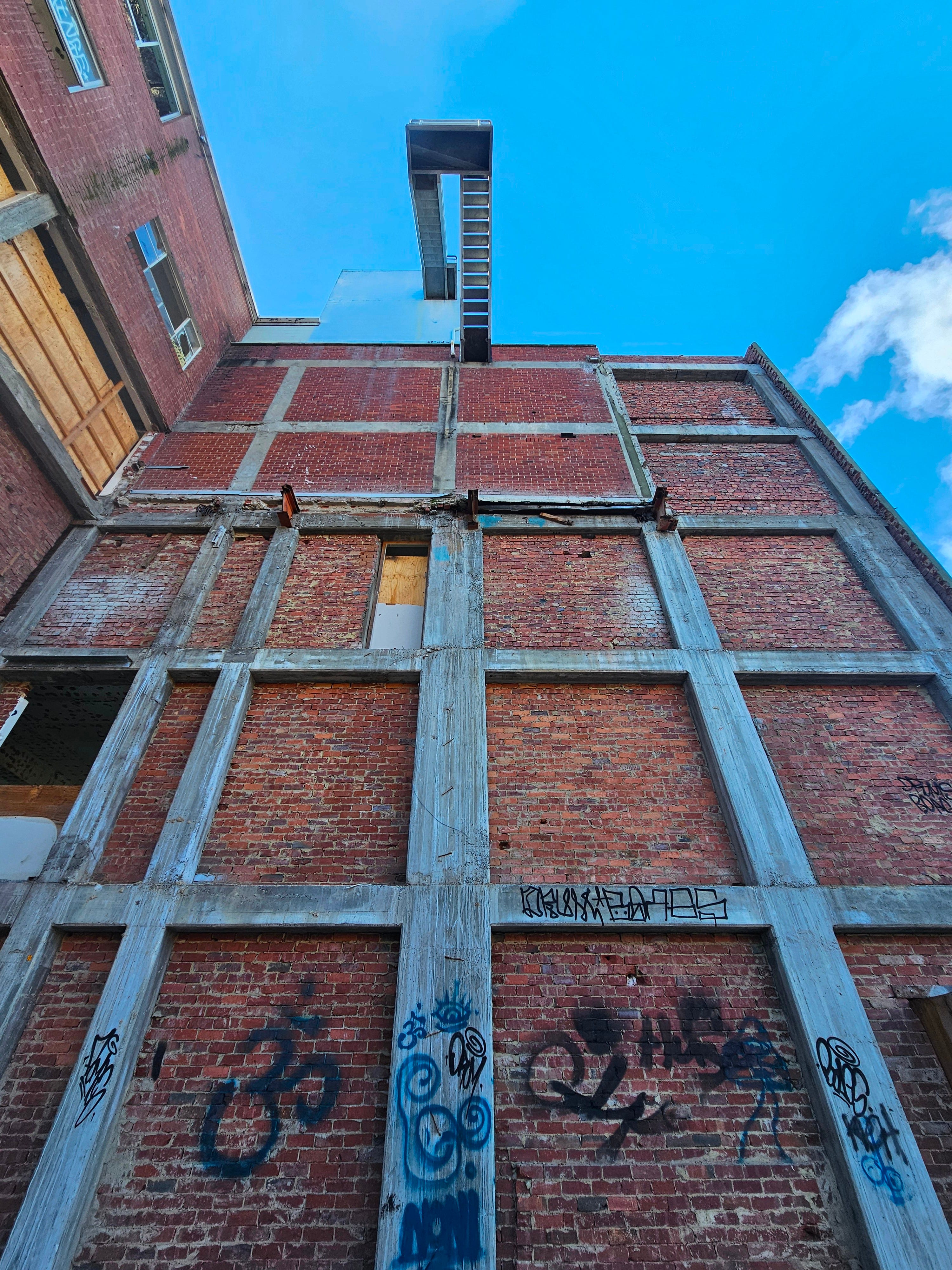
Demolition rubble and brick fragments from the abandoned former ABC building turned Music Conservatorium turned failed development site.
A small branch salvaged from the recently felled sequoias in St David’s Park.
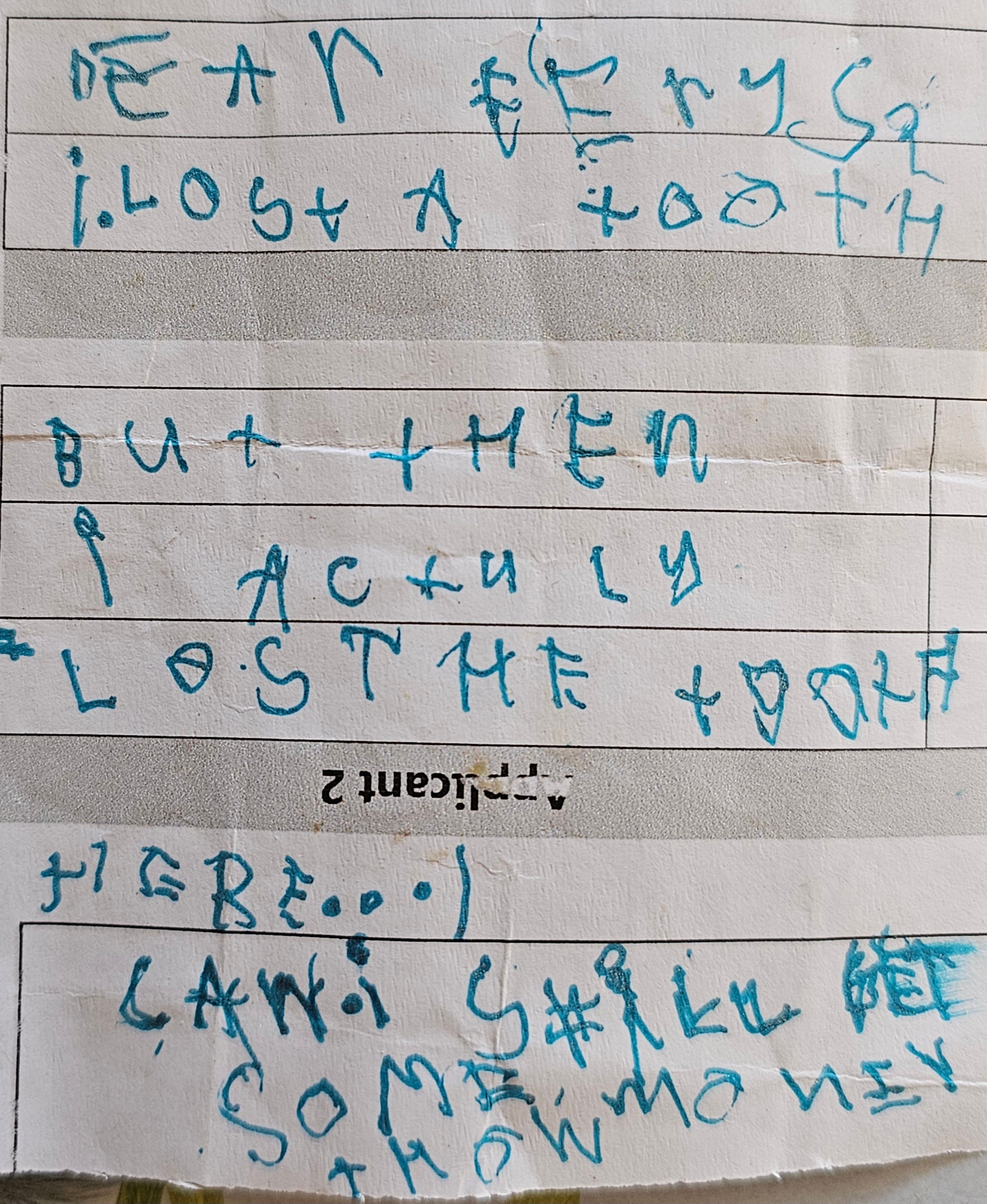
Tiny teeth, lost to make room for larger ones. (Fun fact: Teeth are crystals.)
Locks of hair with follicles intact, as that’s where the DNA lives. And I’m certainly not the only hair collector. I recommend listening to this ABC podcast called History or Hoarding, by the charming Annabel Crabb
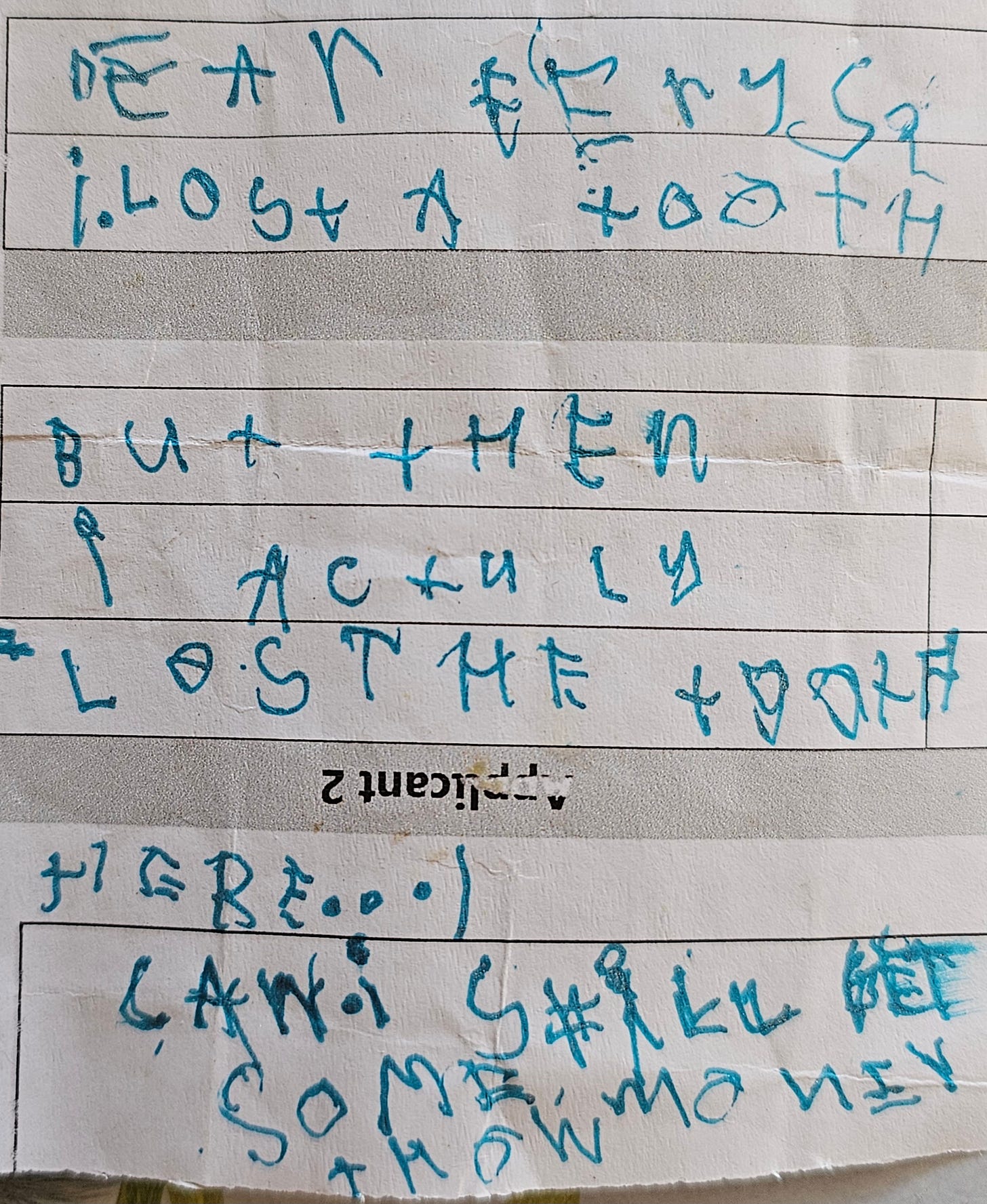
Dear Tooth Fairy, I lost a tooth. But then I actually lost the tooth. Can I please sill have some money though?
Then there are the rocks.
So many rocks.
Recently I sat with my mum while she worked on her will. In a brief moment of levity amidst the heaviness, she paused and said:
“Now… I don’t want you kids fighting over my rocks and shell collection.” We both laughed and it lightened the mood.
What appears insignificant from the outside can become priceless once entwined with memory, ritual, place, or love.
In many ways, this thread has quietly moved through my work for years.
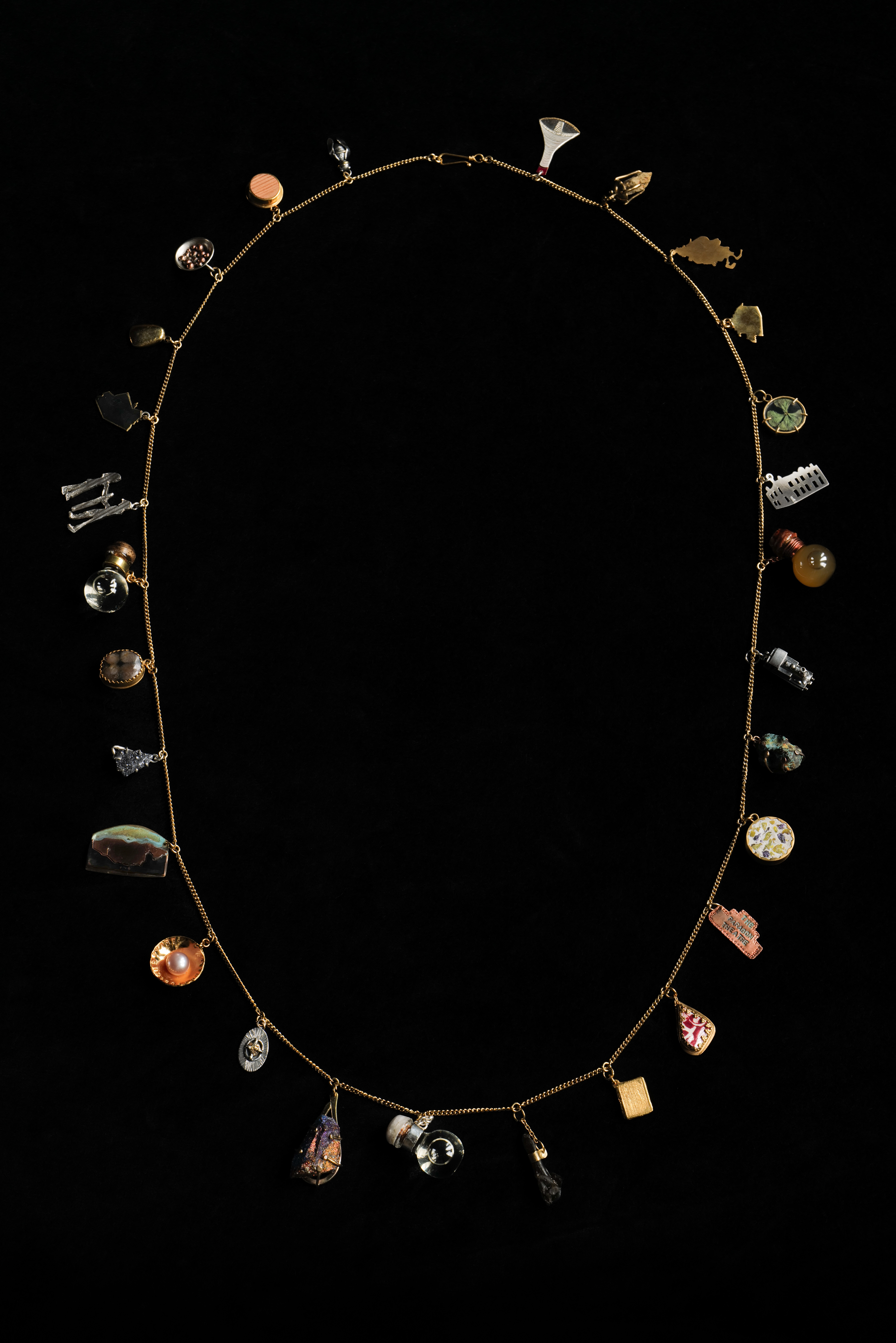
In Gilded Memories, I worked with the Queenstown community to create charms tied to place, memory, and local histories. In Elemental Memories, I explored material connection and storytelling in a participatory experience for the Unconformity.
My Big Mac brooch series, including the first edition now held in the collection of Museum of Old and New Art after Ripley’s Believe It or Not! in 2025 , continued this ongoing exploration of value, history, symbolism, and permanence.
In 2024, during the Not Natural exhibition at Science Gallery Melbourne, I created A Moment to Reflect- featuring a thylacine de-extinction locket containing a vial of thylacine DNA and hair, suspended within the piece itself. Visitors were invited to participate in a survey asking whether they believed the thylacine should be brought back. I became fascinated by the responses, and the emotional complexity surrounding extinction, memory, longing, and our desire to materially hold onto what has been lost.


Lately, this question has also begun extending more deeply into memorial jewellery and objects as vessels for memory. Quiet offerings. Small things intended to be held close.
Increasingly, I’ve found myself working with ashes in this way too. Mostly through word of mouth. Slow, private conversations. Creating small tangible objects that hold traces of a person or a pet who has gone, and offering people something they can physically carry through grief. This work is becoming a larger part of my practice, as I feel more called toward it, and see the need for it.
I’ve observed that much of my practice circles the same question:
What do we choose to keep?
And why?
I have a plan as to where this is leading. More to come in slow trickle form.
And for now - Please come along to There Are No Straight Lines at the Rosny Barn this Thursday evening. The group exhibition, curated by Amber Koroluk-Stevens, opens at 5:30pm.
You’ll find a QR code near my work. One element, Future Relic, is a necklace, destined to be buried. If you visit, please scan it to experience the work in full. You can also view and read about it here.
The work was recently selected as a finalist in the Australian Design Centre MAKE Award 2025.
Thanks for reading.
And thanks for being here.
With Kindness,
Emma x